How to Find a Reliable Leather Goods Manufacturer: The Complete OEM Sourcing Guide for Global Brands
1. Understand What A Professional Leather Goods Manufacturer Actually Provides
Many buyers initially think a manufacturer only provides production.
However, experienced leather factories provide a complete product development ecosystem.
A professional custom leather goods manufacturer usually supports:
Product Development
Including:
- Design evaluation
- Material recommendations
- Prototype development
- Sample creation
- Technical improvement suggestions
Material Sourcing
Including:
- Genuine leather selection
- Full grain leather
- Top grain leather
- Vegan leather alternatives
- Hardware selection
- Lining materials
Manufacturing
Including:
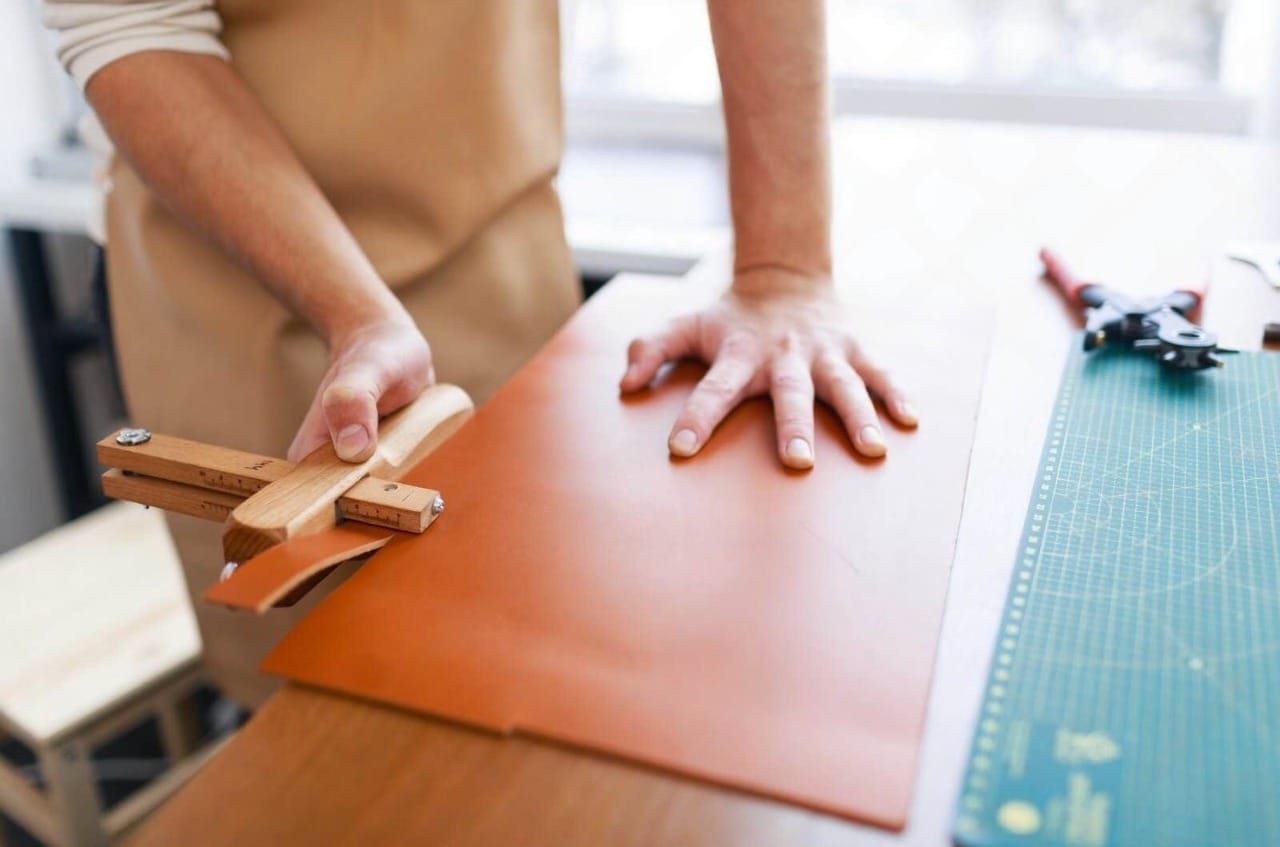
- Cutting
- Skiving
- Stitching
- Edge finishing
- Logo customization
- Assembly
Quality Management
Including:
- Material inspection
- Production inspection
- Final inspection
- Packaging inspection
International Export Support
Including:
- Export documentation
- Packaging solutions
- Shipping coordination
A reliable supplier is not just a factory.
It becomes an extension of your product development team.
2. Define Your Requirements Before Searching For A Supplier
One of the biggest mistakes buyers make is contacting manufacturers before defining their project requirements.
Before requesting quotations, professional buyers should prepare:
Product Information
Clearly define:
- Product category
- Target market
- Product usage
- Expected quality level
Examples:
A luxury handbag brand requires:
- Premium leather
- Fine craftsmanship
- High-end packaging
A promotional gift company requires:
- Cost efficiency
- Fast production
- Stable bulk supply
Material Requirements
Specify:
- Leather type
- Leather thickness
- Color requirements
- Texture preference
- Sustainability requirements
For example:
Instead of saying:
“Need leather wallet production”
A professional request should include:
“Need private label leather wallets using full grain leather, custom emboss logo, RFID protection, and premium gift packaging.”
The more detailed the requirements, the more accurate the quotation.
3. How To Evaluate A Leather OEM Manufacturer
Not every leather supplier has the same capabilities.
Before cooperation, evaluate suppliers through several key factors.
3.1 Manufacturing Experience
Experience matters because leather production involves many technical details.
Check:
- Years in leather manufacturing
- Main product categories
- Previous customer industries
- Export experience
A factory producing only simple wallets may not be suitable for complex luxury handbags.
Look for manufacturers with experience matching your product requirements.
3.2 Production Capability
Ask:
- What products do you specialize in?
- What monthly capacity can you handle?
- Do you have skilled workers?
- Can you support seasonal production peaks?
A reliable manufacturer should have stable production systems rather than depending only on temporary labor.
3.3 Customization Ability
For private label brands, customization capability is critical.
Evaluate:
- Custom patterns
- Custom colors
- Custom logos
- Custom packaging
- Custom hardware
A true private label leather supplier should help transform your design concept into a manufacturable product.
3.4 Quality Control System
Quality control separates professional factories from ordinary suppliers.
A strong manufacturer should have:
Incoming Material Inspection
Checking:
- Leather defects
- Color consistency
- Thickness
- Texture
Production Inspection
Monitoring:
- Stitching quality
- Shape accuracy
- Logo position
- Hardware installation
Final Inspection
Checking:
- Appearance
- Function
- Packaging
- Shipment quantity
Quality should not only be checked at the end.
It should be controlled throughout the entire production process.
4. Compare Leather Manufacturer Quotations Correctly
Many buyers choose suppliers based only on price.
This creates problems.
A lower quotation may exclude:
- Better leather grade
- Packaging
- Testing
- Additional workmanship
- Quality inspection
A professional quotation should include:
| Cost Factor | Buyer Should Confirm |
|---|---|
| Leather Material | Type, grade, thickness |
| Production Cost | Labor and craftsmanship |
| Logo Customization | Embossing, printing, hardware |
| Packaging | Boxes, bags, labels |
| Sampling | Sample fee and revision policy |
| Shipping | Delivery terms |
The cheapest supplier is not always the lowest-cost supplier.
The best supplier creates the highest total value.
5. Understand MOQ When Working With Leather Manufacturers
MOQ (Minimum Order Quantity) is one of the biggest concerns for emerging brands.
Different products have different MOQ requirements.
Factors affecting MOQ include:
- Material purchasing
- Production efficiency
- Custom tooling
- Color requirements
- Hardware customization
For example:
A standard leather wallet may require lower MOQ.
A fully customized handbag with special leather and hardware may require higher MOQ.
A professional supplier should provide flexible solutions for:
- Startup brands
- Growing brands
- Established retailers
6. Sample Development Is The Most Important Testing Stage
Never judge a manufacturer only by website photos.
The sample process reveals:
- Manufacturing capability
- Communication quality
- Attention to detail
- Technical ability
During sample approval, check:
Leather Quality
Does it match expectations?
Craftsmanship
Are stitches even?
Structure
Does the product maintain shape?
Function
Does everything work correctly?
Professional brands treat sampling as product development, not simply ordering a prototype.
7. Common Mistakes Buyers Make When Choosing Leather Suppliers
Mistake 1: Choosing Only Based On Price
Low prices often indicate:
- Lower material grade
- Reduced workmanship
- Limited quality control
Mistake 2: Ignoring Factory Communication
Poor communication creates:
- Production mistakes
- Delays
- Incorrect specifications
Mistake 3: Not Confirming Material Details
Leather terms can be confusing.
Always confirm:
- Leather type
- Origin
- Thickness
- Finish
Mistake 4: Skipping Quality Standards
Without clear QC requirements, buyers may receive inconsistent products.
8. China vs Other Leather Manufacturing Locations: What Buyers Should Consider
Many international brands compare different sourcing locations.
The important factors are:
| Factor | Consideration |
|---|---|
| Manufacturing Experience | Industry expertise |
| Cost | Total production value |
| Customization | Development capability |
| Communication | Project efficiency |
| Supply Chain | Material availability |
The best supplier is not determined by country alone.
It depends on:
- Product requirements
- Quality expectations
- Target market
- Business strategy
9. How Global Brands Build Long-Term Partnerships With Leather Factories
Successful brands usually develop long-term relationships with manufacturers.
Benefits include:
- Better production understanding
- Faster product development
- Improved quality consistency
- More efficient communication
- Better cost control
A strong partnership allows manufacturers to understand:
- Brand positioning
- Customer expectations
- Future product plans
This creates better results than constantly changing suppliers.
10. Professional Checklist Before Choosing A Leather Goods Manufacturer
Before placing your first order, confirm:
✓ Does the supplier specialize in your product category?
✓ Can they support custom designs?
✓ Do they provide samples?
✓ Do they have quality control procedures?
✓ Can they provide material information?
✓ Can they meet your production timeline?
✓ Do they understand export requirements?
✓ Can they support future growth?
Introduction: Choosing the Right Leather Manufacturer Determines Your Brand’s Long-Term Success
For fashion brands, retailers, wholesalers, and entrepreneurs, finding the right leather goods manufacturer is one of the most important decisions during product development.
A leather product may look simple from the outside, but successful manufacturing requires professional control across multiple stages, including material selection, pattern development, craftsmanship, quality inspection, production planning, and international shipping.
Many new brands face similar challenges when sourcing leather products:
- The sample looks perfect, but bulk production quality changes.
- The quotation appears affordable, but hidden costs appear later.
- The supplier promises customization but cannot support complex designs.
- Production delays affect seasonal product launches.
- Leather color, texture, and hardware consistency are difficult to control.
Choosing a manufacturing partner is therefore not simply about finding the lowest price.
A reliable leather OEM manufacturer should help brands reduce supply chain risks, improve product quality, and create products that match their market positioning.
This guide explains how professional buyers evaluate leather manufacturers, what questions to ask before placing an order, and how to build a successful long-term OEM partnership.
FAQ: Leather OEM Manufacturing Questions Buyers Ask
Q1: How do I find a reliable leather goods manufacturer?
A reliable leather goods manufacturer should have proven production experience, quality control systems, customization capability, and successful export experience. Buyers should evaluate manufacturing ability instead of choosing only based on price.
Q2: What information should I provide when requesting a leather OEM quotation?
Professional buyers should provide product type, material requirements, size specifications, logo requirements, estimated quantity, packaging requirements, and target delivery date.
Q3: What is the typical MOQ for custom leather products?
MOQ depends on product complexity, material selection, customization requirements, and production methods. Standard products usually have lower MOQ, while fully customized products may require higher quantities.
Q4: How long does leather OEM production usually take?
Production time depends on product complexity, sampling approval speed, material availability, and order quantity. Many projects require several weeks from sample approval to final shipment.
Q5: What is the difference between OEM and private label leather products?
OEM means a manufacturer produces products based on a customer’s specifications. Private label usually refers to products manufactured by a supplier and sold under a customer’s brand name.
Q6: How can buyers control leather product quality?
Quality control should include material inspection, production monitoring, sample approval, and final inspection before shipment.
Q7: Can small brands work with leather manufacturers?
Yes. Many manufacturers support startup brands through small-batch production, flexible MOQ options, and product development assistance.
Conclusion: The Right Leather Manufacturer Is A Long-Term Business Partner
Finding a reliable leather goods manufacturer is not simply a sourcing decision.
It is a strategic decision that affects:
- Product quality
- Customer satisfaction
- Brand reputation
- Profit margins
- Long-term growth
The best manufacturing partner combines craftsmanship, communication, quality management, and supply chain experience.
For global brands looking to develop customized leather products, choosing the right OEM partner creates the foundation for sustainable growth.
Let’s work together
Have a custom leather project in mind? Share your ideas with our team. We offer OEM & ODM leather customization, sampling and full production support to bring your brand vision to life.